Finding the Right Hunting Property for Sale: What to Look for in Rural Land
I have spent more weekends than I can count walking timberland in search of a good whitetail deer sign or a gobbling wild turkey. Over the years, I have learned that the difference between a decent hunting spot and a great one often comes down to the land itself, not just the game that lives on it. When you start looking at a hunting property for sale, the first thing that catches your eye might be the size or the price. But the real value lies in the details: water sources, cover, access, and the long-term potential to manage the habitat.
For anyone serious about hunting, buying land is a different animal than leasing a tract for a season. With ownership comes the freedom to plant food plots, set up permanent stands, and build a cabin site that can serve as a base for decades. It also means you have to think about things like well water, septic system, and electricity access before you ever pull the trigger on a purchase. That is where the practical side of rural property ownership meets the dream of off-grid living and legacy building.
Why Owner Financing Makes Sense for Hunting Land
One of the biggest hurdles to buying recreational land is the financing. Traditional lenders often require a large down payment and a credit score that would impress a banker. But many sellers of rural property now offer owner financing, which changes the game for a lot of buyers. Instead of jumping through hoops for a bank, you work directly with the seller. This can mean a low down payment, no credit check, and terms that fit your budget rather than a bank's formula.
I have seen friends pass on a great piece of timberland because they thought they could not afford it. Then they discovered that owner financing with a low down payment made it possible. Suddenly, that 40-acre tract with mature oaks and a spring-fed creek went from a dream to a reality. The key is to look for sellers who understand the value of recreational land and are willing to work with buyers who want to build something lasting.
What to Look for in a Hunting Property
When I walk a property, I start with the basics: water and cover. Whitetail deer and wild turkey need reliable water sources, and a creek or pond on the land is a huge plus. Even if the property has no surface water, check for well water potential. A well can serve a cabin site and also provide water for a small food plot if you plan to plant one. Speaking of food plots, they are not just for deer. A well-placed plot can hold birds and small game too, and it gives you a reason to spend time on the land even when it is not hunting season.
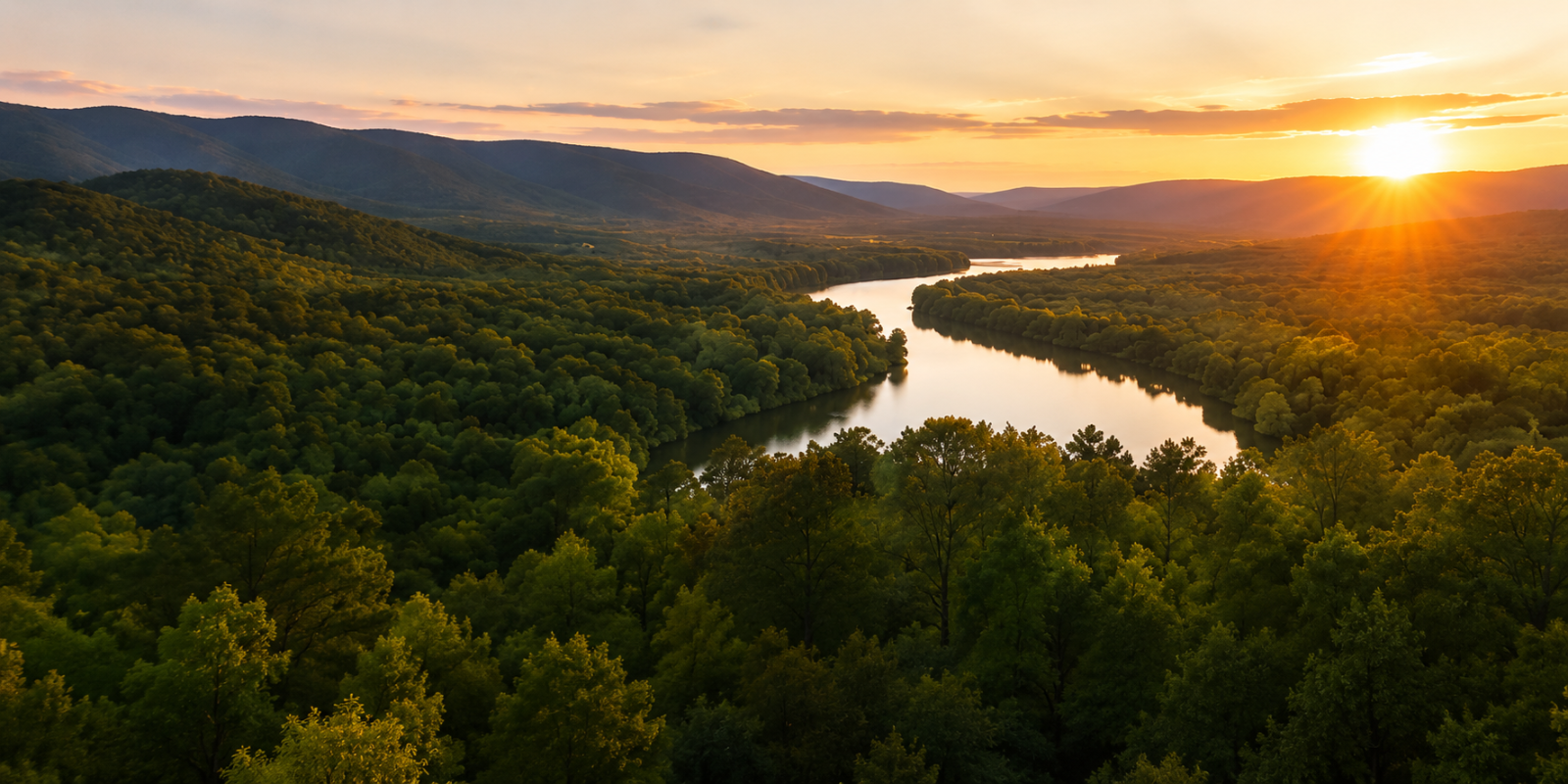
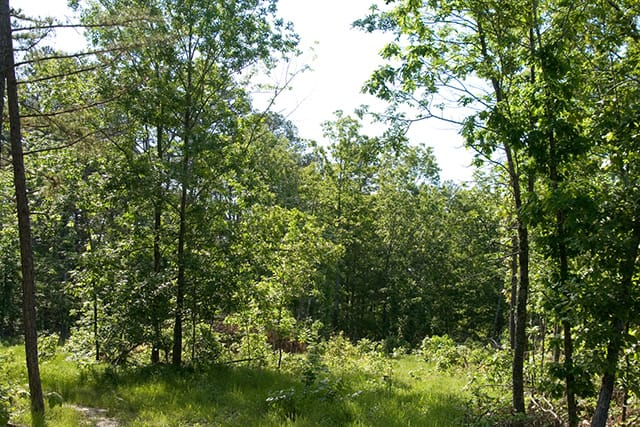
Cover is just as important. Thick brush, young timber, and edges where forest meets field create the kind of habitat that holds game year-round. Look for a mix of mature timberland and early successional growth. If the property has been logged recently, that can actually be a good thing, as the regrowth provides excellent bedding cover for deer. ATV trails cut through the property make it easier to access stands and food plots without tearing up the land, but you want trails that follow the contours rather than straight lines, to avoid erosion.
Access matters more than most buyers realize. A property that sits on a county road is convenient, but also means more traffic and pressure. A tract that requires a short drive on a maintained gravel road can feel more remote and hold more game. Check for easements or right-of-ways if the land does not directly front a public road. You do not want to buy a hunting property for sale only to find out you cannot reach it without crossing a neighbor's field.
The Appeal of Appalachia and the Missouri Ozarks
Two regions that consistently offer good value for hunting land are Appalachia and the Missouri Ozarks. Both have a mix of hills, hollows, and hardwood forests that produce strong deer and turkey populations. In Appalachia, you get steep terrain that keeps pressure low and forces you to hunt smart. The Ozarks offer rolling hills, clear streams, and a more open feel that can be easier to navigate with a truck or ATV.
I have looked at properties in both areas, and the common thread is the quality of the habitat. In the Ozarks, I found a 60-acre parcel with a spring-fed pond, a mix of oak and hickory timber, and a small clearing perfect for a food plot. The seller offered owner financing with a low down payment and no credit check. That kind of deal is rare in a competitive market, but it happens when you know what to look for and where to look.
In Appalachia, I walked a 30-acre tract that bordered national forest. The land was steep, but it had a seasonal creek, old logging roads that doubled as ATV trails, and a flat bench near the top that would make a perfect cabin site. The owner had already drilled a well and installed a septic system. Electricity access was at the county road, a short run of about 200 feet. That property sold before I could make an offer, but it showed me how much value there is in a piece of land that is already set up for off-grid living.
Building a Legacy on Recreational Land
Buying a hunting property for sale is not just about the next season. It is about creating a place where you can teach your kids to track deer, where you can sit by a fire and listen to turkeys roost, and where you can pass down a tradition that does not depend on a public draw or a landowner's permission. That is the legacy building that Land and Creek talks about, and it is real.
I know a man who bought a 40-acre tract in the Missouri Ozarks twenty years ago. He paid for it with owner financing, a low down payment, and no credit check. He built a small cabin, dug a well, and planted a food plot every spring. Over the years, he added a septic system, ran electricity from the county road, and cut ATV trails through the timber. Today, his grandchildren hunt that land. They have taken mature whitetail deer and wild turkey from the same food plot he planted two decades ago. That is legacy building in action.
That kind of story is not unusual. Rural property that seems rough or remote can become the center of a family's outdoor life. The trick is to find land that has the bones for it: good water, good cover, and legal access. Everything else is sweat equity and time.
Practical Steps for Buyers
If you are in the market for recreational land, here are a few things I have learned from my own searches and from talking to other hunters:
- Walk the entire property before you make an offer. Do not rely on satellite photos or a realtor's description. You need to see the terrain, the timber, and the boundaries yourself.
- Check for utilities. Even if you plan to camp at first, a property with well water, septic system, and electricity access will be easier to sell later and more comfortable to use now.
- Look at the neighbors. A large tract of public land or a conservation area nearby can make a small property feel much bigger. A neighbor who runs a hunting operation can mean more pressure and fewer deer.
- Ask about mineral rights and timber rights. You want to own both if possible, or at least have them clearly defined in the deed.
- Consider the carrying capacity. A 20-acre property in good habitat can hold deer, but it will not support a large herd. Know what you want to hunt and how much land it takes to manage that game sustainably.
I have also found that properties with existing improvements, like a cabin site, a well, or a food plot, often sell for a premium. But if you are handy and patient, raw land can be a better value. You can build exactly what you want over time, and you avoid paying for someone else's taste in cabins or trails.
The Bottom Line
Hunting land is not a passive investment. It requires work, planning, and a willingness to learn the land's rhythms. But for those who take the time, the rewards are deep. Whether you are looking in Appalachia, the Missouri Ozarks, or another region, the same principles apply: find good water, good cover, and a seller who offers terms that work for you. Owner financing with a low down payment and no credit check can open doors that might otherwise stay closed. And once you own that piece of rural property, you are not just buying a place to hunt. You are buying a place to live, to teach, and to leave behind.